Some Tips on How to Stay in Touch with Customers Through the Coronavirus Pandemic -By Karan Tade


Businesses around the country are struggling to respond to the effects of COVID-19. Whether your operation has closed or you’re just struggling to stay relevant in the time of social distancing, communicating with customers is key. But do you know how to stay in touch with customers?

How to Stay in Touch With Customers

In all likelihood, you may need to reach out to customers in multiple ways to really get important messages across. Here are 25 tips on how to stay in touch with customers you might consider.

Send Email Updates


Probably the easiest and most direct way for many companies to stay in touch is by email. Most small businesses already have an email list where they send newsletters or updates about sales or new products. This can be a valuable way to let customers know any changes your business is making right now due to COVID-19 or any specials or updates that may be relevant to them.

Send Text Messages

If you have a small client list and want to keep everyone up to date personally, a quick text is an easy and non-invasive way to share short bursts of information. You can either reach out to people individually or send a text blast if you have customers who have signed up for text updates.

Make Phone Calls

If your business has a few important clients that you really focus on, you may want to reach out to them personally by phone. Make sure they know about any changes to your business and answer questions they may have.

Start a Video Chat

Video chat is another option that’s perfect for businesses with clients they work with regularly. This is ideal for communicating with those who you may otherwise meet with face-to-face or in instances where you may need to share visuals.

Use Chat Apps

If you need to provide virtual customer support to your customers in real time, chat apps like Facebook and WhatsApp can be very valuable. You can easily share the link to your chat profile so people can reach out to you when they have questions. Or you can send out individual messages if you have relevant updates.

Host Livestreams

Another real time option for communicating with customers, hosting a livestream allows you to broadcast video messages and interact with viewers. You might host a Q&A session, simple announcement, or some kind of demonstration to help customers during this time.

Post on Social Media


There’s a good chance your company has at least one social media account that you update regularly. This is the perfect way to not only share updates with customers but also to engage with them. Find out what they want from you during this time and build community around this shared experience.

Send Direct Mail

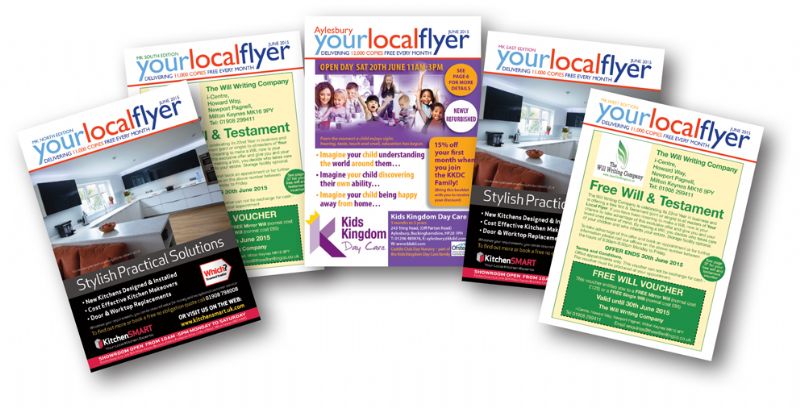
For local businesses or those that communicate with customers mainly offline, direct mail is still an option. Design a small flyer or write a letter that shares what your customers need to know.

Send Notes with Online or Delivery Orders

If your business ships or delivers products, use that as an opportunity to communicate. Share a handwritten or personally typed note letting them know how much you appreciate their business and include any other details they may need to know.

Create Video Content

Video can be an incredibly powerful tool for sharing complex thoughts or evoking an emotional response. There are tons of different ways you can use this tactic. You might share an honest take about what’s going on with your company on YouTube or go a more lighthearted route by sharing humorous content on TikTok.

Post in Online Forums

If there are any online forums that are relevant to your industry, posting or responding to others’ posts can help you stay connected. Just make sure to be responsive and don’t just spam people with your own updates.

Comment on Online Posts

Social media, blogging, and forum posting are two-way streets. You don’t need to create your own posts to communicate with customers. If you see other posts online that may be relevant, leave a comment.

Update Neighborhood Groups

For hyper local businesses, you may be able to reach customers in your immediate area through apps or groups like Nextdoor or your local neighborhood association’s website. This may be helpful for businesses like local restaurants that are offering delivery just within a specific radius.

Publish Blog Posts


If your website has a blog section, a simple blog post here and there can go a long way toward keeping your customers updated. This gives you a space to share long form messages, in case your company has any information to share that doesn’t fit into a tweet or Facebook post.

Start a Podcast

For those who are interested in sharing audio content with customers, a podcast could be the perfect solution. If you don’t already have one, this period where you have extra downtime may be the ideal time to get started. Or you could join another podcast as a guest and then share that episode with your online followers.

Add Live Chat to Your Website

If your business needs to answer questions or provide support to customers right on your website, a live chat feature may be the perfect solution. You can communicate back and forth without forcing your customers to ever leave your site.

Update Your Google Listing

Google is often one of the first places people go when looking for information about businesses. By updating your Google My Business Listing, you’re communicating the information that may be most relevant to your customers.

Respond to Online Reviews

Businesses should respond to online reviews on platforms like Yelp and Google regularly anyway. But since many entrepreneurs now have more time on their hands, it’s the perfect time to catch up. Thank people for sharing their thoughts and encourage even more people to do so.

Add a New Section to Your Website

When people visit your website, they’re looking for up-to-date information about your company. If things like your hours, shipping times, or availability has changed, add a short section at the top of your site so people will clearly see those changes.

Host Virtual Events

For businesses that normally host in-person events, consider hosting an online event instead. You might make a Facebook group, start a mass Zoom call, or maybe even host a Twitter chat to get everyone talking and interacting.

Work with Online Influencers

If you want to cast a wide net and communicate with lots of potential customers in a particular industry or interest area, consider influencer marketing as a communication method. You can have people with a significant following broadcast a message to their network instead of just relying on your own contacts.

Host Webinars

Webinars are helpful for teaching new concepts or exploring complicated subjects. If you’d normally meet with groups of clients or host workshops, this is a perfect way to reach a large group of customers at once.

Offer Your Expertise to Other Outlets

If you have some insights that may be valuable to people during this time but don’t want to just rely on your own website or blog, share it with others. You can reach out to local press outlets or offer to guest blog for others in your industry.

Take Out Ads

If you have something really important to share, purchase ad space to make sure it gets seen. This can vary widely, from online ads on specific sites to ads in local print publications.

Provide Something of Value

Actions speak louder than words, especially during a time like this. Sometimes the most powerful thing you can do to really stay top of mind with customers is to provide them with something they really need or want during this time. This will look different for every business, and may not be possible for some. But for example, a carryout restaurant might offer free delivery to medical workers and first responders. Or an online business that sells virtual courses could make certain content free so people can learn a new skill while they’re sheltering in place. It may not make financial sense in the short term, but people may remember the gesture later on when they can afford to buy additional products or services.


We hope these tips help!  Enjoy!

Like this post? Don’t forget to share it with your friends!

Sharing is caring

Author: Karan Tade

Website: https://karantade20.blogspot.com/

7 Tips for Staying Sane While Working from Home

Advice from the Karan Tade and Team —veterans of working from home—on how to make the most of your time working remotely.


We're all dealing with the fear and uncertainty of COVID-19 and what the future brings. And on top of the bigger anxieties, there are day-to-day issues that we are having to contend with, like working from home, having our kids at home with us all day, disrupted schedules, and maybe a little bit too much “together time.” That's why the Karan Tade and Team wants to help, by sharing 7 tips for staying sane while working from home.
No, you shouldn’t stay in your pajamas all day. And yes, it’s hard to stay focused. Here are a few tips from Karan Tade that will help you survive (and maybe even thrive), when working from home:

#1: Claim your workspace

If you don’t have a dedicated at-home office, it can be a challenge to find a place to work. If you have kids at home, it can be even more challenging to find a place that’s quiet with no distractions. Here are a few ideas for creating a workspace that will allow you to get your work done:
“Setting up an at-home workstation in a room with minimal visual distractions and, specifically, with an uncluttered desk. A large monitor, if one can be afforded. There’s science (Google it) that confirms productivity significantly increases if you have the chance to do work on a large monitor as compared to just off of a laptop screen.” —Matt, COO/CFO
“I’m sensitive to my work environment, and I don’t usually have a specified work spot. I’m always checking in and asking myself if my current space is conducive to what I’m working on, and if not, I’ll find a new spot. Different tasks require different settings for me—but having a little sunlight, whether through the window, glass door, or outside on the deck, is usually really energizing.” —Ray, Writer
“If you can, carve out a dedicated space in a spare bedroom, or even in a corner of the dining room. Try out a few different options until you find what works. You may want to change up your work location during the day. While working in a coffee shop or co-working space may not be an option right now, try working out on your deck, on the couch, or at the dining room table. Taking Zoom calls can be challenging if you don’t have a quiet place….a closet is always an option!” —Karen, Senior Content Manager

#2: Create a schedule

Most of the members of our team swear by sticking to a schedule. But that can be accomplished in several ways:
“Creating a clear game plan for the day each morning. Specifically, making a list of the tasks I need to complete in order to meet my goals for the week. If I find myself distracted, I can use this as a compass to get back in the right direction. Another tip is to make sure to take breaks. I've found that setting aside time for lunch rather than eating in front of my computer helps me to refocus in the afternoon and give my brain a little break.” —Andrea, Operations Manager.
“Work in two and a half hour stints with 15-minute breaks to stretch, eat, and take care of chores.” —Robin, Writer
“I've been working from home since 2014. My husband works from home, too, and we mutually agreed to consider 9 am-5 pm to be working hours, so we only communicate via [typed] chat during that window. We never just walk into the other person's working space and start talking, so we can fully focus on our work.” —Jess, Executive Assistant
“I like to start my day by asking the question ‘What does success look like today?’ Then I'll make a plan for the day based on my answers. I like to use the Pomodoro Technique, which includes timed, focused intervals, usually around 30 minutes. I assign how many intervals each task should take, then track the number needed to complete each task. It helps keep me focused, track my productivity, and measure my success at the end of the day.” —Sara Jane, Partnerships Manager

#3: Dress for work 

One of the huge perks of working from home is that you don’t have to get dressed up and spend money on work clothes. But the downside is that it’s easy to let yourself go and not shower for days. We recommends finding a middle-ground:
“Get dressed. It's really easy to stay in pajamas all day, but that will also affect how you feel about your day. Staying in pajamas has a slow, lazy feel to it, and you'll find yourself working slower and not staying as focused. Get dressed in something comfortable (no need to put on a suit) that you would wear out of the house.”
Mindy, Solutions Manager
I definitely starting my morning with dressing for the day as if I would be going into the office. It's a good way to get into the ‘work' mindset. Getting dressed provides a mental readiness for the day and helps kick-start my morning routine.” —JonathanProduct Manager
“I usually get dressed in the morning in clothes that are comfortable but would pass for ‘professional-ish' on a Zoom call. I never stay in my pajamas because it makes me feel sluggish. I usually put on jeans or leggings, a nice shirt or t-shirt with a sweater.” —Karen

#4: Use the right tools

Thank goodness that technology allows many of us to work from home easily these days. Here are a few recommended tools:
“If you have the kind of job where you're used to teaching/explaining things to other people in your office, get familiar with a screen recording tool. You can use this to show people how to do things on the computer without having to be in the room with them. Don't worry about making the videos perfect—just do a quick demonstration like you would if you were in the room together. Loom is a great tool if you need to make more complicated videos. Camtasia is also excellent, and Mac computers have screen recording built into Quicktime.” —Mindy
“The SelfControl app for Mac. Blocks time-wasting websites for a specified duration. Nuff said.” Ray
Monday.com is a life-saver for me!” —Sara Jane
Google calendar! My husband and I have a shared calendar of calls, demos, interviews, and general ‘I need the house to be quiet' time.” —Jess

#5: Corral your kids

If you have kids, this crisis can be particularly tricky because you will have no time when the kids are at school to get your work done. Here are a few suggestions for juggling childcare and work:
“Segment your parenting time with your working time. Multi-tasking does NOT work with kids, especially young children who should not be left unsupervised and/or cannot adequately entertain themselves. Don’t fool yourself into thinking that you can do both. Provide dedicated, quality time to each obligation separately.” —Matt
“Be patient with yourself and your kid. Working with kids is hard. The best you can do is set everyone's expectations—both for your coworkers and your kids. When I was a kid I frequently had to spend time with my mom when she was working; it always helped when she explained to me what she was working on and gave me small tasks to help her. I filed for her, shredded papers, sorted out office supplies. It gave me a lot of pride to assist her and the filing experience actually helped me a lot in my early jobs.” —Mindy
“Start work when your kid is still sleeping. Then, use the great electronic babysitters!” —Robin
“We have an emerging system of family organization for the next 3 weeks of no school (and possibly longer!). A punch-list of activities on the left column, and a daily schedule on the right. You know what they say about the best-laid plans, but planning is still crucial.” —Ray
“A strict schedule works for us. The first few days of quarantine were total chaos and I confess screens were used out of desperation. But once a strict schedule was in place, with absolutely no negotiation, things went much more smoothly. We may relax the schedule a bit in the future, but right now I think the structure is helping my daughter feel more secure.” —Karen

#6: Manage your pets

Pet’s can offer companionship when working from home, but they can also be distracting. Our team enjoys seeing the team pets on our Zoom calls (shout out to Hermione, Ducky, Rudy, Finn, Moses, Asher, Nini, Spot, Tigger, Nacho, Mew, and Gizmo!). 
“Thumbs, Spot, and George are the home office ‘Administrative Assistants,' and they love being on camera when we have video calls. We will often have 5-15 minutes of kitty playtime before we have a super important call so they are less inclined to make a cameo.” —Jess
“My cats sleep on my desk or on my lap when I work. They watch birds out my window. But sometimes they can be distracting when they want to curl up on my keyboard or walk in front of my face during a Zoom call. If they get too distracting, I put them in the basement and close the door.” —Karen
“In the mornings, my dog Finn will usually sleep in his bed next to my desk while I work (adorable), or he'll sit in the window and just watch what's happening outside. We go for short walks every 2-3 hours and around mid-afternoon, he's ready to play, so I usually take a 15ish minute break to play around with him.” —Sara Jane

#7: Take breaks and get outside

Our team is in agreement that getting outside is a necessity. Fresh air, sunshine, and nature do wonders for the soul.
“Get outside! At the end of a work-from-home day, I make sure to get outside for a bit, even if it's just a short walk or to run a quick errand. I find this to be helpful, too, as I do not have a designated space for an office and it is easy to continue to work much later than normal work hours from my sofa. Taking a moment to walk around the neighborhood helps me to close my workday and return home to my personal life.” —Andrea
“Get outside. Seriously—it’s dead simple and amazingly powerful. Either by yourself or with your spouse (if he/she happens to be at home) and take a 30-minute walk. The fresh air, natural light, and mental disconnect from all things electronic/media do WONDERS for your focus, energy, and productivity.” —Matt
“Our favorite yoga teachers are offering donation-based virtual classes on Zoom or Instagram Live. We are practicing our yoga on the patio. We are also taking lots of walks around our nearby park to get fresh air.” —Jess
“Take regular breaks to stretch, get outside for a walk, play with a pet, or make a quick phone call, just to say hi to a friend or family member. Giving your brain breaks from work throughout the day, even for just a few minutes, is key to keeping anxiety levels down and not feeling so worn out at the end of the day.” —Sara Jane
We hope these tips help!  Enjoy!

Like this post? Don’t forget to share it with your friends!

Sharing is caring

Author: Karan Tade

Website: https://karantade20.blogspot.com/


3 Ways Digital Marketing Will Adapt During Lockdown


Are you using the current lockdown to focus on your digital marketing efforts? As uncertain and stressful as the COVID-19 crisis has been, quarantine can be a good time to adapt your business and explore growth opportunities. Many businesses across the country are still reeling from the effects of the lockdown. Some industries have faced a major, devastating impact – hospitality industries and other sectors dealing directly with customers especially.

Digital Marketing During COVID-19

While there is not much that individuals or businesses can do to fight this unprecedented global crisis besides staying safe and staying at home, lockdown can offer a pause that allows you to focus on your business. The effects of the pandemic are very likely going to change the world in many ways, as more and more businesses find new ways to move forward. Digital marketing is adapting at a rapid rate, providing a surprising number of opportunities for growth – during and after the crisis.
Some of the ways that digital marketing is already adapting during the coronavirus crisis and resulting lockdown include the following:

1. Customer Service Matters More Than Ever

Although customer service should have been at the forefront of your strategies right from the start, it has become more important than ever before. Businesses that were proactive, keeping customers in the loop as early as possible have found it far easier to ease customer worries. Make sure that customers know exactly what is happening, what your business is doing during the lockdown, how you are protecting customers and anything else customers need to know. Be crystal clear on your operating hours if you are still providing essential services. Be clear on closures if you will be pausing during the lockdown. Keep lines of communication open at all times.

2. Remote Work Is Not Going Away Any Time Soon

Remote work has become widespread across the globe, helping businesses to continue with minimal interruption. There is a very strong chance that remote work will continue, even after the crisis is over. Thanks to the rise of tools such as Zoom and other online meeting platforms, remote work is not only keeping workers safer – it is also lowering operational costs, improving employee retention, increasing productivity, and enabling global partnerships.

3. Customer Engagement Becomes Multi-Dimensional

Just as customer service has become paramount, customer engagement has also become more essential. Customers today have more ways of engaging with businesses than they have in the last decade. Social media has become more social than ever since lockdown began, with many audiences using Facebook, Twitter, YouTube, and other platforms as a way to communicate during the quarantine. You can leverage this by focusing your efforts on engaging content that encourages interaction. You can also make use of tools such as WhatsApp to assist customers in real-time.

Embracing Change With New Digital Marketing Strategies

The current lockdown and global impact of CV-19 are far-reaching and difficult to fully comprehend. One of the positive things to emerge from any crisis, however, is change. New technologies and strategies are opening up, as businesses around the world find new ways to connect to customers and grow their businesses.
Using this uncertain time to refine, reflect, and revamp your digital marketing strategies will help you navigate the stress and use it to grow your results.


Like this post? Don’t forget to share it with your friends!

Sharing is caring

Author: Karan Tade

Website: https://karantade20.blogspot.com/

11 Benefits of Digital Marketing over Traditional Marketing


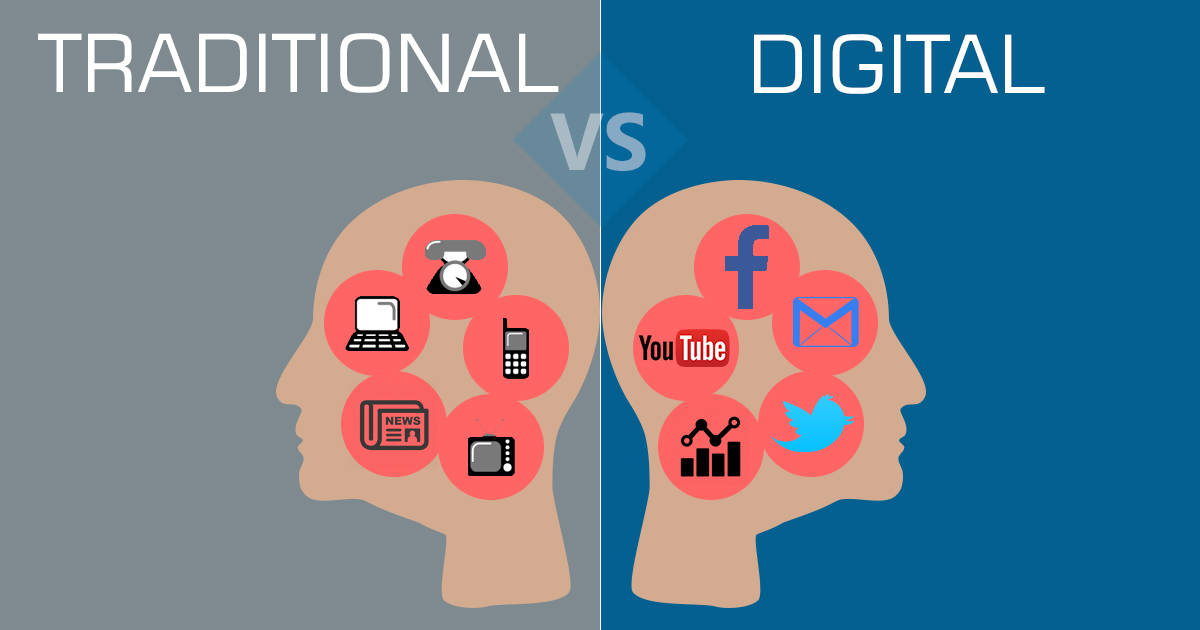
With the traditional vs. digital marketing debate going on, let us figure out what is most suitable for the marketing and promotion of your business. Online advertising vs. traditional advertising could seem like a tough decision to make but these pointers will help you make up your mind.

Marketing is that aspect of the business that you can never ignore. A wise entrepreneur will set aside a separate budget for the marketing alone. The problem is, we live in the generation where a huge part of the population does transactions only online while another chunk does not yet know how to use the internet. So the traditional vs. Digital Marketing decision becomes difficult.

However, you can think things through and make the decision of online advertising vs. traditional advertising. All you need to do is know the pros and cons of both and see how it applies to your business. Check the benefits of Digital marketing vs. traditional marketing statistics and you will have a good indicator of which mode of marketing you need more.

What is traditional marketing?


Traditional marketing is the conventional modes of marketing that have been used since the beginning of marketing and advertisements. This includes:
  • Television.
  • Newspaper.
  • Radio.
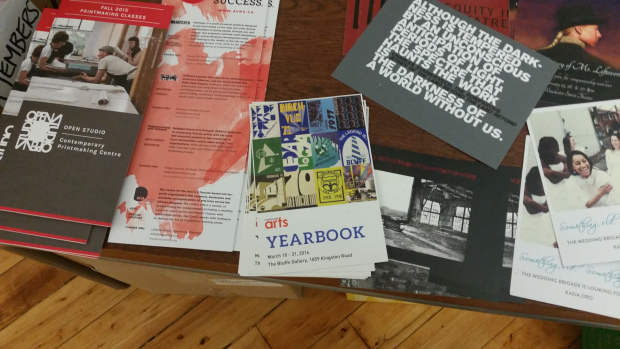
  • Flyers and billboards by the roads and highways.
  • Ads in related weekly magazines.

What is digital marketing?

Digital or online marketing is the marketing mode of the global village. It is only obvious that the era of the internet will have its influence in every realm of life.

Weight watchers digital ads

Digital marketing includes platforms like:
  • Social media like Facebook, Twitter, or Instagram.
  • Business networking sites like LinkedIn.
  • Promotional ads via emails.
  • Paid pop-ups.
  • Blogs
  • Clickbait links for viral content.
Online marketing is more versatile than traditional marketing, though all the types look similar. Now that we know what traditional and online marketing is, let us find out the winner of the traditional vs. digital marketing contest. Which is better?

Traditional vs. digital marketing

Now that we know what traditional and digital marketing are, let us find out what traditional marketing vs. digital marketing statistics say.


We are going to lay down the pros and cons of online advertising vs. traditional advertising.

11 Benefits of Digital Marketing over Traditional Marketing


Traditional marketing was a thing only because digital marketing did not exist. Of course traditional marketing has its own pros over digital marketing, but we will come to that later.


Here are 11 reasons why digital marketing wins the traditional vs. digital marketing battle.

  1. Reduced cost

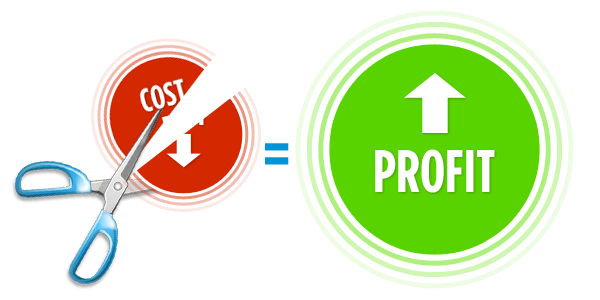
Newspaper ads, television ads, and the likes cost a lot. Online advertising on the other hand is something even young entrepreneurs can afford right out of some saved up money.


So, even school goers can have a startup thanks to the cheap cost price for online marketing. This in turn helps expand the scope of marketing across boundaries of age and finance.

  1. Real time result

With traditional marketing, you have to wait for weeks, sometimes even months before the boosts start to turn up. In this battle of traditional vs. online marketing, online marketing wins again owing to its quick results.


You can see everything in real time including:
  • Number of visitors.
  • Most active time of the day.
  • Conversion rates.
  • Bounce rates.
When you have the result handy in real time, you waste no time taking action.

  1. Brand development

Digital marketing vs. traditional marketing statistics can be measured but one thing these statistics don’t take into consideration in comparison to online advertising vs. traditional advertising is the brand image the online advertising gives rise to. This is mainly because with the limited space and frequency of advertisements with traditional marketing, digital marketing clearly wins this category.

You can have a whole website instead of a column on a newspaper page. You can put forward things to people whenever you want once you own a blog or a Page on social media. With this space, you can create a consistent image for your Company. This is something one advertisement aired on the radio or posted in the newspapers cannot give you. And will also help in branding your business.

  1. Non-intrusive

People buying the newspaper do not buy it for the ads in it. People listen to the radio for music and the weather forecast. Not to forget the radio is a dying concept already. People buying magazines go for it for the contents list which does not include the ads. So, it is safe to say, traditional advertising mostly goes ignored.
 The Muse ads

With online advertising on the other hand, you can choose whether you want to see it or not. It is not shoved into your face, apart from the annoying popup ads of course. You can choose to ignore that email as long as you want. You can choose to opt out of social media discussions on a particular brand page. You can also target interested audience as the social networking sites keep a tab on what you look for on the internet. Hence, in the battle of traditional vs. digital marketing, digital marketing seems to be the candidate that will know how to intrigue people and not annoy them.

  1. Higher exposure

Now, you can’t claim that a television ad or an advertisement on every newspaper in town is going to cover the majority of the population. Any means of traditional advertisement is limited to a certain locality.


Whereas online advertisement reaches out to the entire world so you are missing out on nothing.

  1. Higher engagement

With traditional marketing, you cannot really interact with your target audience. You need to wait out for the responses to come in before you can plan your next step. This is a long and tedious process.


Online marketing allows you to engage your audience in real time. You can chat and discuss a lot about your brand or Company with the actual audience immediately. Yes, this demands more engagement from your side too. You need to be prepared to invest that much time or a public relations team into the marketing budget.

  1. Quicker publicity

Very much due to the real time results of online marketing, you get instant publicity. If you don’t, you at least instantly know that this particular ad isn’t working for you.


Traditional vs. digital marketing is an almost unfair comparison here because the former has no scope to deliver in this regard. Whereas with the latter, there is a chain reaction of shares and comments helping you reach a new audience and earn a new visitor every nanosecond.

  1. Non Interuptive

    Audience can choose to skip Ads. Online advertising vs. traditional advertising have some lesser discussed but crucial differences. For example, the option of choice of ads. With traditional marketing, flyers are handed to you when you are rushing to board that bus. A television commercial comes up on repeat cutting right through a really interesting plot twist of your favorite TV show.


Whereas, online marketing will offer you the choice of time and media. Also, you cannot opt to receive a newspaper without ads. You can always skip online ads if you are not interested.

  1. Good For All Stages Of Fields

There are certain matters in which online advertising takes precedence with due course in the battle of traditional marketing vs. digital marketing.

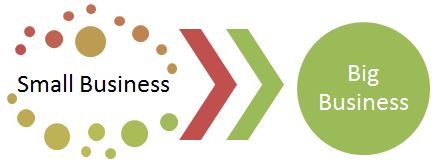
You don’t have to worry about the size of your business and staff to reach the maximum potential of your online presence and advertising. With traditional advertising, smaller businesses are at disadvantage. Virtual expansion does not require large number of real people handling things.

 10. Easy analytics

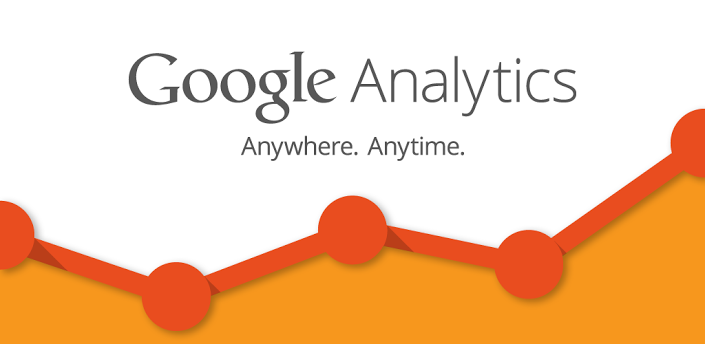
With online marketing you instantly know what is working for you and what isn’t via Google Analytics. You can measure the inbound traffic, bounce rate, conversion rate, profit, and the general trend of interested audience, all in real time.


This helps people using online marketing stay a big step ahead of people relying on traditional marketing.

 11. Strategy Refinement

The very point of getting results and the analytics in real time is to be able to catch up in real time. When you know how things are going down, you will have a chance to improve them from bad to good and good to better. With traditional marketing, a host of negative feedback won’t bother you much because your business might already have gone down the drain by the time you receive them.


Online advertising vs. traditional advertising statistics help you find out what is working for you and what is not. You get the online statistics almost instantly via Google Analytics and make the necessary readjustments. Traditional statistics would be too late to make any concrete strategy refinement on time.

Advantages of Traditional Marketing

There are some aspects where traditional marketing win some rounds of the online advertising vs. traditional advertising battle. Though few, here they are.

  1. Target Local Audience
You can air an ad on a certain channel, and send out flyers to some chosen parts of the city, to keep things focused on the target audience.


With traditional marketing, you are not wasting resources into the sea of possible targets.

  1. Materials are for keeps
The best thing about traditional marketing is that things are tangible and securable. With the virtual data of online marketing, all you can have are screenshots, which you can lose again.


Unless, of course, you save them on Cloud but who does that! The biggest win for traditional advertisement in the online advertising vs. traditional advertising battle is the hardcopy of materials that the audience has access to. This tends to make them remember the product or service better than what they saw once while browsing the internet.

  1. More personal
Though you can totally use your blog or social network Page to create a brand image, and interact a lot with the audience, it remains virtual. Real and personal approaches make people want to take something more seriously.


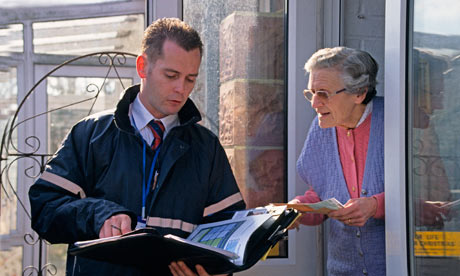
This is why door to door promotion and handing out flyers followed by a quick discussion on the road will never become obsolete. Of course in some parts it already is, but a comeback of these traditional modes of advertising is inevitable.

  1. Simpler process
Let’s not forget there are still people who are not comfortable with the internet, and yet others who are not even familiar with the idea.


This reason is why even if digital marketing wins the traditional marketing vs. digital marketing battle, it can never completely overthrow traditional marketing means.

Conclusion:


Now that we know what the speculation regarding traditional vs. digital marketing revealed for us, we can agree that online marketing wins. However, traditional marketing is still indispensable for the audience that is itself still traditional. So, a smart blend of traditional vs. online marketing, enabled by a good analysis of online advertising vs. traditional advertising statistics, will get your brand where you want it to be.